Basement Moisture Problems to Address Before Finishing the Space
Basement moisture problems should be identified and corrected before remodeling because finishes can hide leaks, mold, and drainage failures. HomeRemodelIssaquah.link checks moisture sources, explains the repair path, and connects the findings to a safer basement remodeling plan.
Request an Estimate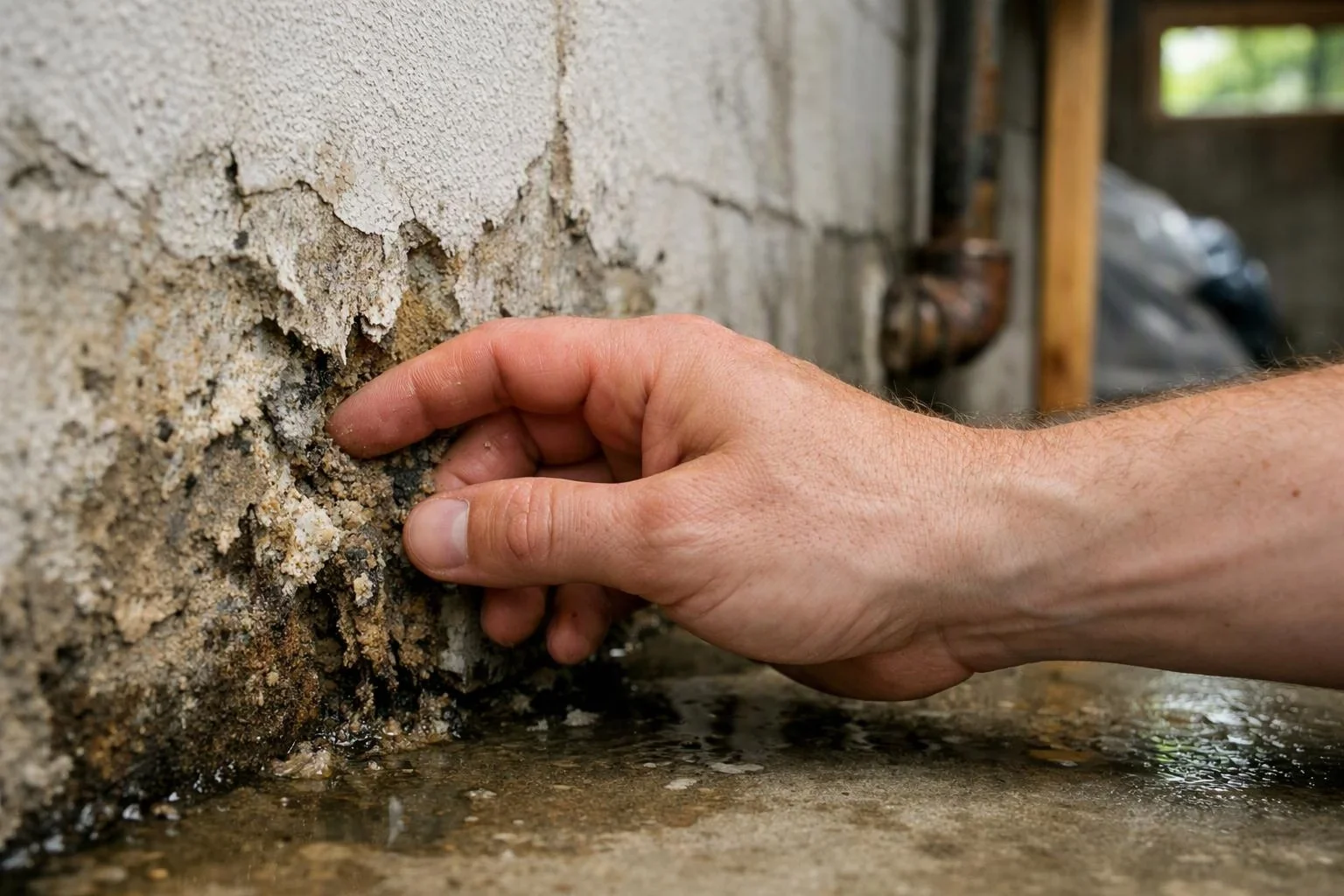
Why Basement Moisture Must Be Fixed Before Remodeling
Basement moisture should be fixed before remodeling because new walls and flooring can hide active damage.
Water intrusion can weaken building materials and support mold growth. Finished surfaces also make future inspection and repairs harder.
We trace the moisture source before selecting finishes. Our Basement Remodeling process then follows the repair needs, drying conditions, and inspection requirements.
How to Tell Which Moisture Problem You Have
Basement moisture signs point to different causes, so the source must be identified before repairs or finishes are planned.
We compare the location, timing, and appearance of each sign before recommending work.
| Sign | Possible source | What we check |
|---|---|---|
| Condensation | Warm, humid air meeting cool surfaces | Humidity, airflow, insulation, and cold surfaces |
| Damp areas after rain | Groundwater or exterior drainage | Grading, gutters, downspouts, and foundation walls |
| Localized wet spot | Plumbing leak | Nearby supply lines, drains, and fixtures |
| Crack with water marks | Foundation crack or joint leak | Crack pattern, wall-floor joint, and seepage path |
| Musty odor | Damp materials, mildew, or mold growth | Hidden moisture, air movement, and affected materials |
| Efflorescence | Water moving through masonry | White residue, dampness, and exterior water pressure |
Mistake: Covering Damp Walls With New Finishes
Covering damp basement walls hides moisture and can damage drywall and wall framing.
This mistake happens when a room looks ready after surface cleaning. Hidden moisture can spread behind the finish and expand the repair scope.
We locate the damp area, assess affected building materials, and allow the assembly to dry. The repair cost depends on the moisture source, damaged materials, and required wall changes.
Mistake: Treating Musty Odor as Only a Ventilation Issue
A musty smell can point to damp materials, mold, or mildew behind finished surfaces.
Poor airflow may add to the odor, but humidity control alone won't correct hidden water damage. Air quality can remain poor when wet materials stay in place.
We trace the odor, check concealed areas, and identify materials that need cleaning or removal. The repair scope depends on the affected area and the source of moisture.
Mistake: Painting Over White Residue on Foundation Walls
White residue on a foundation wall is usually efflorescence caused by water movement through masonry.
Efflorescence isn't mold, but it shows that moisture has moved through the wall. Paint can hide the residue while water continues to enter.
We inspect the masonry, trace the water path, and address the source before coating the wall. The cost depends on whether the correction involves drainage, sealing, or foundation repair.
Mistake: Ignoring Foundation Cracks and Joint Leaks
Foundation cracks and wall-floor joint leaks can allow water seepage into the basement.
Hydrostatic pressure can push groundwater through cracks and joints. Covering these areas can leave active leaks behind the new finish.
We inspect crack movement, joint conditions, and nearby drainage. The repair scope depends on the leak path, structural concerns, and required foundation repair.
Mistake: Finishing the Basement Before Checking Drainage
Exterior drainage problems can send basement water toward foundation walls.
Blocked gutters, poor grading, and short downspouts can overload the soil beside the home. Surface drainage must be reviewed before interior finishes are chosen.
We check how water moves around the structure and connect those findings to the interior plan. The cost depends on the drainage correction and any resulting water damage.
Mistake: Installing Flooring Over a Damp Slab
A damp concrete slab can damage flooring and trap vapor movement below the finished surface.
Flooring may buckle, separate, or develop odors when slab moisture remains unresolved. A subfloor can also hide the condition from future inspections.
We review the concrete slab, moisture conditions, and proposed flooring system. The repair scope depends on slab preparation, moisture control, and selected finish materials.
Mistake: Using Materials That Cannot Handle Basement Conditions
Basements need materials that can tolerate changing moisture and humidity conditions.
Organic materials can support mold growth when they stay damp. Poor material choices can shorten finish durability and enlarge future repairs.
We select moisture-resistant materials for walls, flooring, and trim when the conditions require them. The cost depends on material choice, installation details, and preparation work.
Mistake: Sealing the Room Without Managing Humidity
Sealing a basement without humidity control can trap condensation and reduce indoor air quality.
Warm air can condense on cool foundation surfaces. Limited air circulation can make damp conditions last longer.
We review humidity sources, airflow, insulation, and dehumidification needs before closing the room. The repair scope depends on the room layout and the equipment or assembly changes required.
Mistake: Treating Every Water Problem With the Same Repair
Water intrusion needs a repair matched to its source, such as condensation, a plumbing leak, or exterior drainage.
A dehumidifier can help with humidity, but it can't repair a foundation leak or plumbing failure. A sump pump may manage collected groundwater, while drainage correction addresses water before it reaches the foundation.
We separate the causes before choosing the repair. The cost depends on the source, access, affected materials, and required systems.
Mistake: Starting the Remodel Without a Moisture Repair Plan
A moisture repair plan sets the correct order for assessment, repair, drying, and finish installation.
Without that sequence, new finishes may be installed before the space is ready. Inspection criteria can also be missed when walls and floors close too soon.
We document the moisture source, repair scope, drying conditions, and finish requirements. The cost depends on the findings and the work needed before remodeling can proceed.
What the Moisture Repair Plan Should Include
A moisture repair plan should connect the source, repair method, drying process, materials, and remodeling sequence.
We use the plan to keep moisture work ahead of finish installation and inspection.
Which Moisture Issues Need Attention Before Finishing?
Active leaks, recurring dampness, mold, and unexplained wall residue need attention before basement finishes are installed.
We review each condition and determine whether it affects the remodeling sequence.
| Issue | Why it matters | Pre-finishing response |
|---|---|---|
| Active leaks | They can damage new finishes. | Trace and correct the water source. |
| Condensation | It can keep surfaces and materials damp. | Improve humidity control and air movement. |
| Efflorescence | It signals water movement through masonry. | Trace and correct the moisture path. |
| Mold growth | It can affect materials and indoor air quality. | Address moisture and affected materials. |
| Damp concrete | It can damage flooring systems. | Review slab conditions before flooring work. |
| Structural cracking | It may allow seepage or signal a larger concern. | Assess the crack before covering the wall. |
When to Call HomeRemodelIssaquah.link About Basement Moisture
Basement remodeling needs our review when moisture can affect safety, materials, or the repair sequence.
Call us when any of these conditions affect your planned space:
How Moisture Findings Change the Remodeling Plan
Moisture findings can change wall assemblies, floor systems, ceiling finishes, and access for future repairs.
A wet wall may need a different framing and drywall approach. A damp slab may change the flooring system and preparation work.
Our team also considers where future inspections may be needed. The final basement remodeling plan follows the moisture source, repair sequence, and required inspection criteria.
What We Review Before Basement Finishing Begins
HomeRemodelIssaquah.link reviews the moisture source, foundation, drainage, materials, and remodeling scope before finishing begins.
We look for foundation cracks, wall-floor joint leaks, slab moisture, condensation, and signs of mold. We also review gutters, downspouts, surface drainage, and sump pump conditions when they affect the basement.
Our findings guide material selection and the repair sequence. Contact us through our project contact page to discuss the space and request an estimate.
Questions About Basement Moisture Before Finishing
Can basement moisture cause new drywall to fail?
Yes, basement moisture can cause new drywall to stain, soften, or support mold growth. HomeRemodelIssaquah.link checks the moisture source and affected wall assembly before drywall installation.
Does white powder on a basement wall always mean mold?
No, white powder on a basement wall often indicates efflorescence, not mold. Efflorescence forms when water carries minerals through masonry, so we trace the water movement before painting.
Can a dehumidifier solve a leaking basement?
No, a dehumidifier can reduce humidity but cannot repair a leaking basement. We identify whether the source is condensation, plumbing, foundation seepage, or exterior drainage.
What should be checked before choosing basement flooring?
Basement flooring should be chosen after checking the concrete slab, moisture conditions, vapor movement, and planned subfloor. We use those findings to match the floor system to the room.
How does basement moisture affect remodeling plans?
Basement moisture can change the wall assemblies, floor systems, finish materials, and access needed for future repairs. We place moisture repairs and drying before finish installation.