What problems can occur with poorly installed trim for Trim Carpentry?
Poorly installed trim can create cracked caulk, gapped corners, crooked lines, loose sections, and paint separation. These signs often point to poor cuts, weak attachment, movement, or an unprepared surface. We inspect the trim and nearby wall before choosing a repair. HomeRemodelIssaquah.link then explains whether adjustment, replacement, or related interior work fits the condition.
How does a trim carpenter differ from a general carpenter?
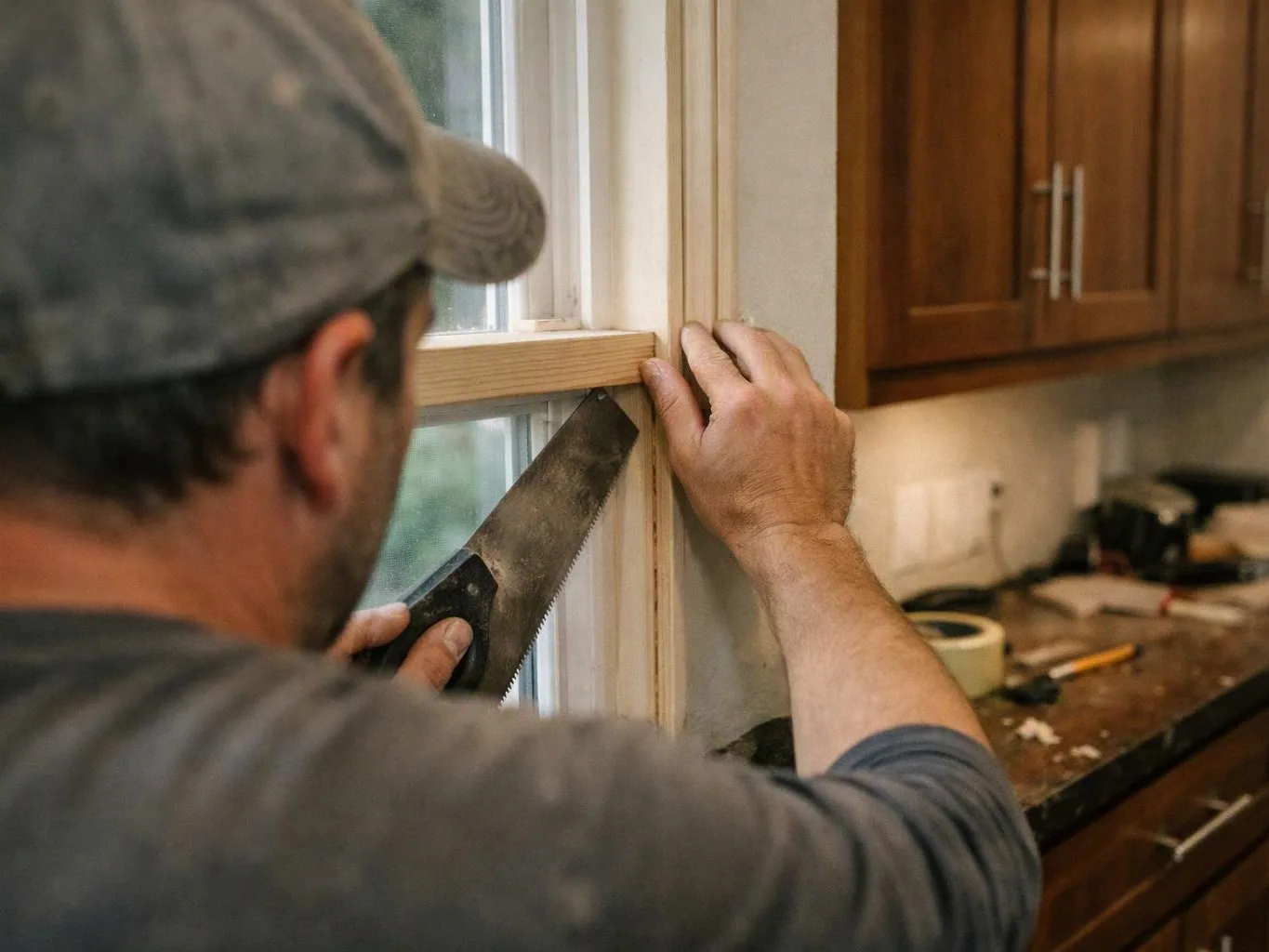
A trim carpenter focuses on visible finish work, while general carpentry can include framing and broader wood construction. Trim work covers baseboards, casings, crown molding, joints, fasteners, caulk, and paint preparation. Our remodeling team handles trim as part of focused interior work or a larger home update when the surrounding room also needs changes.
Which trim condition changes the work most?
The trim’s condition changes the work most when the piece is loose, split, warped, or poorly joined. A sound piece may need refitting and fresh finish work. Damaged material may need replacement. Wall movement, uneven drywall, floor gaps, and old fastener holes can also add steps to the repair.
What happens during the first trim carpentry appointment?
The first appointment identifies the trim problem, the affected surfaces, and the requested finish. We discuss the room, inspect the visible joints, and separate trim work from related remodeling needs. You can share photos, room plans, and finish preferences before requesting a quote. The estimate should describe the work included and any connected repair.
When should trim be repaired instead of replaced?
Trim should be repaired when the material remains sound and the defect comes from fit, attachment, or finish. Replacement makes more sense when the piece is split, warped, badly damaged, or unsuitable for the opening. We compare the part’s condition with the surrounding trim so the chosen work fits the room.
Why does paint separate along baseboards or casings?
Paint separates when the joint moves, the surface lacks preparation, or the trim pulls away from the wall. We check the attachment, old caulk, paint layers, and adjacent wall surface before preparing the area. A finish coat alone won't correct loose trim or a joint that still moves.
How can homeowners prepare for a trim quote?
Photos, room measurements, trim locations, and finish goals help us discuss the work. Point out loose areas, open joints, paint separation, and places where trim meets flooring or doors. We can then distinguish a focused trim request from a larger kitchen, bathroom, basement, or whole-home remodeling project.