Drafts, Fogged Glass, and Sticking Sashes: When to Reassess Your Windows
Drafty windows, condensation between panes, and sticking sashes can signal worn parts, failed seals, or deeper window problems. HomeRemodelIssaquah.link checks the window condition and explains whether repair or window replacement best fits the issue.
Request an Estimate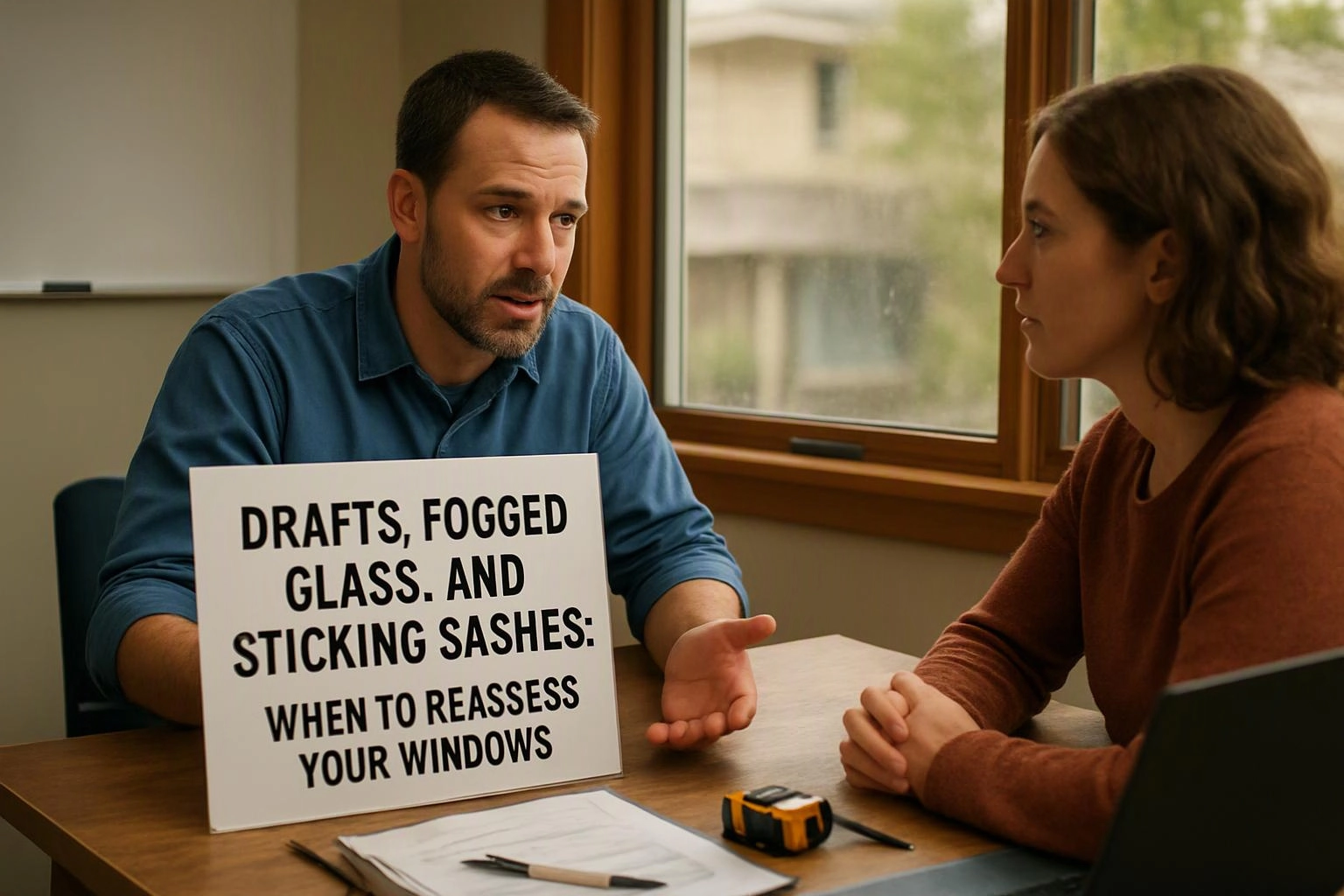
What Drafts, Fogged Glass, and Sticking Sashes Reveal
Drafty windows, fogged glass, and sticking sashes point to air leaks, failed insulated-glass seals, or worn operating parts.
Air leakage can come from worn weatherstripping, a loose sash, or a gap around the window frame. Condensation between panes usually means moisture has entered the insulated glass unit after the window seal failed.
Sticking sashes can result from paint buildup, frame movement, a damaged balance, or track damage. We inspect the full window before we recommend repair or replacement.
The Window Mistakes That Hide Bigger Problems
A careful window assessment connects the visible symptom to the building-envelope problem behind it. Air leakage, insulated glass, frame condition, and window installation all affect the right solution.
HomeRemodelIssaquah.link checks how the window operates, where moisture travels, and how the frame meets the opening. That process helps us separate a small repair from a broader replacement need.
Mistake: Treating Every Draft as a Caulking Problem
Caulking can’t correct every air leak around a window. A draft may come from worn weatherstripping, a loose frame, or an installation gap.
Adding sealant in the wrong place can hide damage and restrict drainage. We trace the air path, inspect the frame, and repair the failed part when the window remains sound.
Repair cost drivers include access, damaged parts, and finish work. Replacement becomes more suitable when the frame or opening no longer supports a reliable repair.
Mistake: Ignoring Condensation Between Window Panes
Condensation between panes usually shows that an insulated glass unit has lost its sealed space. Moisture between panes can leave the glass cloudy and reduce the window’s insulating performance.
We inspect the window seal and determine whether the frame can hold replacement glass. Replacement cost drivers include glass size, glass type, access, and the condition of the sash.
Replacement glass can fit when the frame and sash remain strong. Full window replacement makes more sense when the unit has several defects.
Mistake: Assuming Interior Window Condensation Means Failed Glass
Interior condensation forms on the room-facing glass surface when indoor humidity meets a colder surface. Interior condensation does not automatically mean the insulated glass seal has failed.
Limited room ventilation, cooking, bathing, and moisture control can raise indoor humidity. We check the glass surface, frame, and signs of condensation between panes before choosing repair options.
Improving ventilation and moisture control may address room-side condensation. A failed seal requires a different repair decision.
Mistake: Forcing a Sash That Sticks
A sticking sash can point to a damaged window balance, a blocked track, frame movement, or failed operating hardware. Force can bend parts and make the window harder to repair.
We inspect the sash, track, balance, and frame before testing operation. Our crew keeps repair safety in mind, especially when glass or heavy sashes could move unexpectedly.
Repair can fit an isolated balance or track problem. Replacement may fit when frame movement prevents smooth operation.
Mistake: Painting or Sealing a Window Shut
Paint buildup can bond a sash to the frame and stop normal window operation. A sealed sash can also limit ventilation and affect emergency egress.
We assess the paint buildup, hardware, lock, and opening before removing or replacing parts. The replacement decision depends on whether the window can operate safely after repair.
Repair may restore movement when the frame and sash remain sound. A damaged opening or repeated failure points toward replacement.
Mistake: Replacing Glass When the Frame Has Failed
Replacement glass can’t correct a frame with rot, warping, or widespread movement. A failed window frame can allow water intrusion around the window opening.
We inspect the sill, frame, sash, and nearby finishes before ordering glass. Installation cost drivers include opening repairs, removal work, flashing, and finish restoration.
Glass replacement fits a sound frame with an isolated glass problem. A failed frame usually requires a broader window replacement plan.
Mistake: Choosing Replacement Windows Before Checking the Opening
A replacement window must match the rough opening and the existing water-management details. Incorrect window measurements can create gaps, poor operation, and air leakage.
We check the rough opening, flashing, sill, and signs of water intrusion before selecting a replacement window. We also identify the installation requirements for the wall and finish materials.
Opening repairs and flashing changes can affect the project scope. Correct measurements help prevent avoidable changes during window installation.
Mistake: Delaying a Window That Won't Lock or Close
A window that won’t lock or close can have sash alignment problems, damaged hardware, or frame movement. The gap can increase air leakage and allow water entry.
We check the lock, sash alignment, frame, and weather seals. We also look for signs that the problem affects home security or points to broader replacement signs.
Repair can fit a worn lock or alignment issue. Replacement becomes more suitable when the frame cannot hold the sash securely.
Repair or Replacement: Which Window Problems Point Each Way?
Repair can fit isolated hardware, weatherstripping, or track problems, while replacement becomes more suitable when the frame, seal, or window opening has broader damage.
Our team compares the visible defect with the condition of the parts around it. The table shows how common symptoms usually guide the decision.
| Window problem | Repair may fit when | Replacement may fit when |
|---|---|---|
| Drafty window | The air leak comes from worn weatherstripping or a small hardware issue. | The frame, sash, or opening has widespread gaps or damage. |
| Failed seal | The frame and sash can securely hold replacement glass. | The insulated glass unit is one of several failing parts. |
| Sticking sash | The track, balance, or operating hardware is the main defect. | Frame warping or movement prevents reliable operation. |
| Damaged frame | Damage is limited and the window opening remains sound. | Rot, warping, or water intrusion affects the frame and opening. |
What We Check Before Recommending Window Installation
We check the glass, sash, frame, opening, and moisture path before we recommend window installation.
Our window inspection starts with sash operation and the condition of the glass seal. We then review the frame, sill, flashing, and rough opening for movement or water intrusion.
We also look at nearby finishes for stains or damage. This helps us define the repair scope or prepare for a suitable replacement window.
For a broader overview of our work, see Window Installation.
How Window Condition Changes the Project Cost
Window project cost depends on the window size and style, the damage found, access, and the finish work required.
Glass replacement can involve different cost drivers than full window replacement. Frame damage, flashing repairs, removal work, and interior or exterior finish work can expand the scope.
Our quote reflects the actual window condition and the work needed for a sound result. We review the findings with you before the work begins.
HomeRemodelIssaquah.link provides Free Estimates Available so you can request an exact quote based on your window and opening.
When to Call HomeRemodelIssaquah.link About a Window
Call us when a window symptom affects comfort, moisture control, safe operation, or security. We can assess the condition and explain the repair or replacement scope.
Window work can involve heavy glass, elevated openings, and hidden moisture damage. We handle the assessment and repair planning when the problem goes beyond a safe visual check.
How to Plan the Next Window Decision
Window installation planning starts with matching the symptoms to the condition of the window and opening.
Our team uses the inspection findings to explain the practical path forward. That keeps the decision tied to the actual window condition.
Window Replacement Questions Homeowners Still Ask
Window replacement signs are easiest to understand when you separate a failed part from a failed opening. The answers below cover common repair and operation concerns.
A window that operates poorly may need a part repair, but repeated failures can point to frame movement or broader damage. We inspect the complete assembly before recommending window replacement.
Questions About Drafty and Fogged Windows
Can condensation between window panes be fixed without replacing the whole window?
Yes, condensation between panes can sometimes be addressed with replacement glass when the frame and sash remain sound. HomeRemodelIssaquah.link checks the insulated glass unit, window seal, sash, and frame before choosing that repair.
Why do windows become harder to open and close over time?
Windows become harder to open and close when tracks, balances, hardware, or frames wear or move. We inspect the sash and operating parts to see whether repair can restore safe operation.
Can weatherstripping stop a drafty window?
Yes, weatherstripping can stop a draft when worn seals cause the air leak and the frame remains aligned. We check the sash, frame, and installation gap before selecting a repair.
What should I check when a window will not lock?
Check whether the sash is aligned and whether visible hardware blocks the lock from engaging. We inspect the lock, sash, frame, and opening when the window still will not secure or close.
Contact HomeRemodelIssaquah.link for a window assessment and a clear repair or replacement plan.
Request a Window Assessment