Recurring Bathroom Leaks and Fixture Problems: When to Look Beyond the Quick Fix
Bathroom remodeling can address recurring bathroom problems when repairs no longer solve the root cause. HomeRemodelIssaquah.link helps identify hidden damage, aging plumbing, poor layouts, and systems that no longer support the space.
Request an Estimate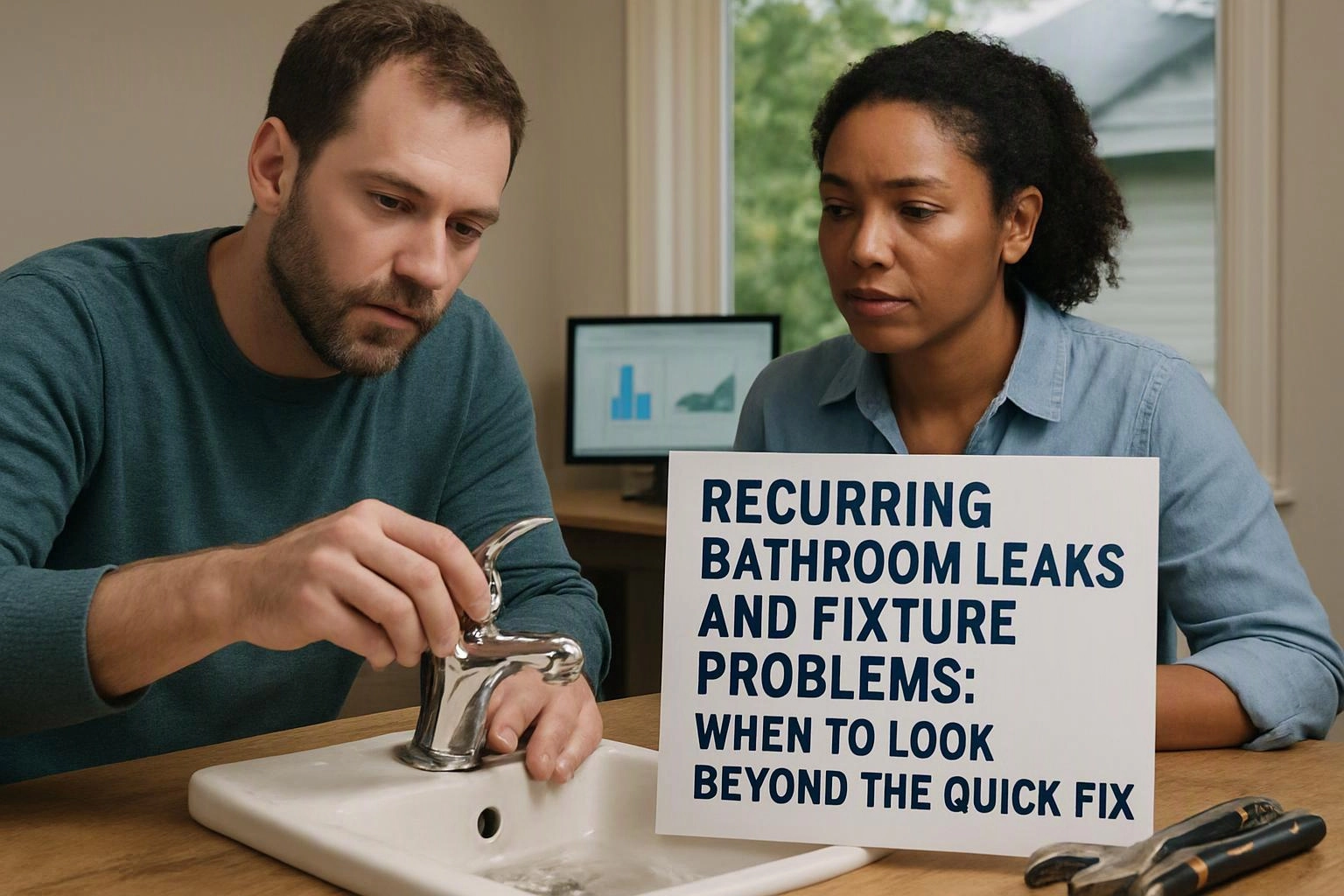
When Recurring Bathroom Problems Point to Remodeling
Recurring bathroom problems point toward remodeling when repairs keep returning, damage spreads, or the bathroom's layout and systems no longer work together.
Recurring leaks can come from aging plumbing, failed seals, or damaged wet-area materials. Fixture problems can also reveal hidden water damage behind walls or below floors.
We review the repair history, trace the leak source, and check how the plumbing fixtures work with the bathroom layout. Our team can then define a repair or bathroom remodeling scope that addresses the cause.
Our Bathroom Remodeling service connects plumbing work, fixture placement, moisture control, and finish choices into one plan.
Mistake 1: Treating Every Leak as a Simple Fixture Repair
Faucet leaks, toilet leaks, supply lines, and shutoff valves can all cause visible or hidden water damage.
Quick repairs keep failing when the leak comes from a worn connection or aging pipe behind the fixture. Repeating the same repair adds labor and can allow moisture to spread.
We test the affected area, inspect nearby materials, and identify whether the fixture or its water path is failing. The fix may include a targeted repair or coordinated bathroom remodeling.
Mistake 2: Replacing Fixtures Without Checking the Connections
A new fixture won't solve a damaged fixture connection, drain connection, or supply pipe.
Seal failure can let water reach the wall and floor, even when the new fixture looks sound. The resulting damage may stay hidden until stains, odors, or soft materials appear.
Our crew checks the connection points before selecting replacement fixtures. We repair the supporting plumbing and protect the wall and floor before installation.
Mistake 3: Covering Water Damage Before Finding Its Source
Water stains, mildew, wet drywall, and subfloor damage can show that moisture is still moving through the bathroom.
Covering damaged surfaces first can trap moisture and hide the active leak source. That approach often leads to repeat damage and a larger remodeling scope later.
We trace the source, assess the affected materials, and plan safe removal where needed. Our team restores the area only after moisture control is part of the fix.
Mistake 4: Repeating Caulk and Grout Repairs on a Failing Wet Area
A shower enclosure or bathtub surround can keep leaking when the underlying waterproofing or movement problem remains.
Caulk and grout can fail when surfaces shift, materials age, or water intrusion reaches the backing. Repeated patching may cost more over time and still leave hidden moisture.
We inspect the wet area, check the failed caulk and grout, and determine whether replacement is needed. Our remodeling plan uses water-resistant materials suited to the area.
Mistake 5: Ignoring Low Water Pressure in an Aging Bathroom
Low water pressure can signal corrosion, restricted supply pipes, a worn shower valve, or a blocked aerator.
Replacing one fixture may not improve pressure when the restriction is inside the supply system. Aging plumbing can also limit fixture choices and affect daily comfort.
We inspect the supply path, shower valve, and fixture openings to locate the restriction. Our team then recommends the plumbing replacement or fixture work that matches the bathroom remodeling scope.
Mistake 6: Repairing Drain Clogs Without Reviewing the Drain System
Slow drains and recurring drain clogs can point to buildup, poor drain routing, or a venting concern.
Hair and soap buildup are common causes, but repeated blockages may involve the drain line or drain vent. Clearing the symptom without reviewing the system can make the repair history grow.
We assess the affected drain path and connect it to the bathroom remodeling plan. Our crew coordinates drain line work, fixture placement, and moisture protection when the system needs broader changes.
Mistake 7: Keeping Fixtures That No Longer Fit the Bathroom
Outdated fixtures can waste space when the toilet footprint, vanity, or shower layout no longer suits the room.
A poor layout can make cleaning harder, limit storage, and reduce bathroom accessibility. Replacing one fixture may leave the main space problem unchanged.
We review clearances, fixture placement, and user needs before recommending changes. Our team can coordinate a bathroom upgrade that improves function and supports the plumbing plan.
Mistake 8: Planning a Remodel Without Tracing the Plumbing Problems First
A bathroom remodeling plan needs a clear plumbing layout before fixture placement and finish selection.
Unresolved water supply or drain routing problems can force design changes after work begins. That can expand the remodeling scope and disturb finished surfaces.
We review the water supply, drain lines, fixture locations, and repair history first. Our plan aligns the plumbing work with the intended bathroom layout.
Recurring Problems Compared With Remodeling Warning Signs
Recurring symptoms don't always require a full remodel, but their pattern matters. We compare the problem, the warning sign, and the response before defining the work.
| Recurring problem | Remodeling warning sign | Likely response |
|---|---|---|
| Leaks around faucets, toilets, or supply lines | Repairs return or damage reaches walls and floors | Trace the source and review plumbing replacement |
| Low water pressure | Corrosion or restrictions affect several fixtures | Inspect supply pipes and the shower valve |
| Slow drains and recurring clogs | The drain line or venting needs review | Assess drain routing before changing fixtures |
| Damaged fixtures or wet-area finishes | The layout, seals, or waterproofing no longer work | Plan coordinated fixture and wet-area work |
A remodeling decision depends on the source, spread, and repair history. We use those factors to keep the scope focused on the work the bathroom needs.
What We Check Before Recommending a Bathroom Remodel
HomeRemodelIssaquah.link checks the plumbing, moisture damage, fixture condition, and bathroom layout before recommending remodeling.
Our team looks for active leaks, hidden moisture, damaged finishes, and failing connections. We also review how the water supply and drain lines support the proposed fixture placement.
Building code and inspection criteria can affect plumbing changes, wet-area construction, and fixture installation. We include applicable code and inspection requirements in the planning process.
We explain what needs repair, what can remain, and what belongs in the remodeling scope. That process helps prevent a cosmetic update from covering an unresolved plumbing problem.
When to Call Us Instead of Handling the Problem Yourself
Homeowners can note symptoms safely, but active plumbing problems need our team when damage or regulated work may be involved. Call us when the source isn't clear or the same repair keeps failing.
We assess the risk, protect the work area, and coordinate licensed plumbing work when the scope requires it. Don't open walls or alter regulated plumbing without a proper plan.
How to Plan the Right Bathroom Remodeling Scope
A bathroom remodeling estimate should follow a root-cause review, not just a list of visible replacements.
Our team explains what each part of the estimate covers before work is planned. You can request a quote through our contact page.
How Bathroom Remodeling Addresses Repeated Plumbing Problems
Bathroom remodeling addresses repeated plumbing problems by connecting plumbing replacement, fixture installation, water-resistant materials, and moisture control.
We remove failed components where needed, correct fixture connections, and improve the plumbing layout. Our crew also coordinates wet-area surfaces so the shower enclosure or bathtub surround supports long-term moisture control.
A focused remodel can solve more than a recurring faucet leak or drain clog when the larger system is failing. We keep the plan tied to the root cause, the bathroom layout, and applicable building code.
When you're ready to review recurring leaks or fixture problems, HomeRemodelIssaquah.link can help define the next step.
Questions About Recurring Bathroom Leaks and Remodeling
How can you tell if a bathroom leak is behind the wall?
HomeRemodelIssaquah.link checks for wall stains, mildew, soft drywall, musty odors, and moisture near fixture connections.
We trace the leak source and assess the surrounding materials before recommending repairs or bathroom remodeling.
Should repeated bathroom leaks be checked before replacing fixtures?
Yes, repeated bathroom leaks should be checked before fixture replacement because the connection, supply line, drain, or surrounding materials may be failing.
We review the leak source and repair history first, so the replacement addresses the actual problem.
What bathroom materials help reduce repeat moisture problems?
Moisture-resistant materials, sound wet-area backing, durable grout, and properly sealed surfaces help reduce repeat moisture problems.
We select materials based on the shower enclosure, bathtub surround, ventilation needs, and the bathroom remodeling scope.